Communal Area Cleaning: Keeping Shared Spaces Healthy, Welcoming, and Well-Maintained
Communal area cleaning plays a crucial role in the comfort, safety, and appearance of shared buildings and properties. Whether it is a residential block, apartment complex, office building, student accommodation, or mixed-use property, clean communal spaces create a positive first impression and support better hygiene for everyone who uses them. In a busy environment where multiple people pass through every day, regular communal area cleaning is not just about looks; it is about maintaining a healthier and more pleasant environment.
Shared spaces often see heavy foot traffic, frequent touchpoints, and accidental spills, which means dirt and germs can build up quickly. From stairwells and hallways to lifts, lobby areas, bin rooms, and entranceways, every communal zone needs attention to stay clean and safe. A well-planned communal area cleaning routine helps reduce odors, prevent slips, improve air quality, and protect the value of the property.
For landlords, property managers, housing associations, and residents, investing in professional communal area cleaning is one of the simplest ways to improve day-to-day living. It supports better tenant satisfaction, reduces maintenance issues, and ensures shared spaces remain inviting. Clean communal areas matter because they influence how people experience the entire building.
Why Communal Area Cleaning Matters
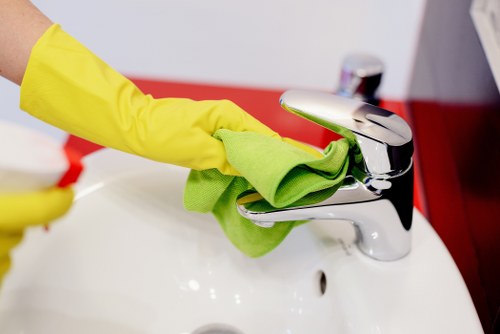
Communal area cleaning is essential because shared spaces are used by many people, often several times a day. Unlike private homes or individual offices, communal areas collect dirt from many sources, including shoes, deliveries, pets, outdoor weather, and constant hand contact. Without regular cleaning, these spaces can quickly become unhygienic and unpleasant.
A tidy communal environment also affects how residents and visitors perceive the property. When hallways are clean, railings are polished, and floors are free from dust and debris, the entire building feels better maintained. This can improve morale and encourage everyone to respect the space more. First impressions matter, especially in residential and commercial properties.
There is also a safety benefit. Dust, moisture, and debris can create slippery surfaces or block walkways. A structured communal area cleaning schedule helps reduce these risks and contributes to a safer environment for children, older adults, staff, tenants, and guests.
Key reasons shared spaces need regular care
- Heavy foot traffic brings in dirt and outdoor contaminants.
- High-touch surfaces collect germs quickly.
- Spills and litter can create hazards.
- Odors can spread through enclosed common areas.
- Cleanliness supports property value and reputation.
Common Areas That Need Professional Attention
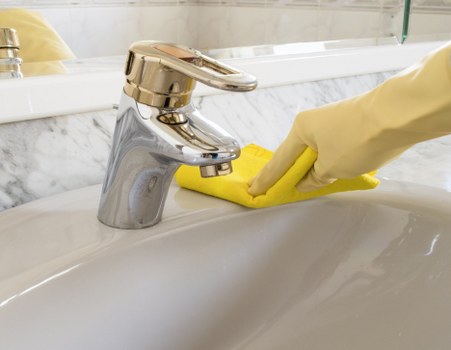
Communal area cleaning covers far more than just sweeping a floor. Shared properties have many different zones, each with its own cleaning needs. A good cleaning plan takes into account the type of building, how many people use it, and what level of service is required.
Entrances and lobbies are often the most visible parts of a property, so they should always be kept neat and welcoming. Staircases, lift interiors, corridors, and landings also need regular cleaning because they are touched and used constantly. These spaces can gather dust, marks, scuffs, and rubbish very quickly.
In addition, communal area cleaning often includes bin stores, cycle rooms, laundry rooms, mail areas, and shared outdoor spaces. These locations may not always be seen by visitors, but they still affect hygiene and comfort. Every shared space deserves attention because cleanliness in one area contributes to the overall impression of the building.
Frequently cleaned communal zones
- Entrance halls and reception areas
- Hallways, corridors, and landings
- Stairs, banisters, and handrails
- Lifts and elevator buttons
- Bin rooms and waste collection points
- Shared kitchens, lounges, and laundry rooms
- External paths and sheltered entrances
What a High-Quality Communal Area Cleaning Service Includes
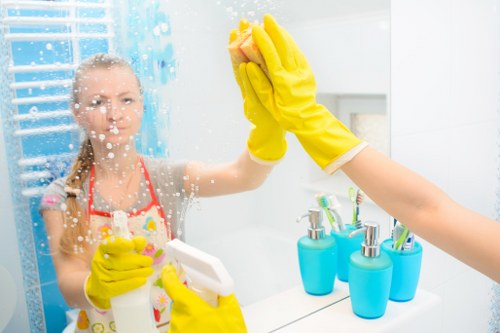
A professional communal area cleaning service is usually tailored to the needs of the building. It may include daily, weekly, or scheduled visits depending on occupancy levels and usage. The goal is to keep shared spaces consistently clean rather than allowing dirt to accumulate over time.
Typical cleaning tasks include sweeping, vacuuming, mopping, wiping surfaces, sanitizing hand contact points, removing litter, cleaning glass panels, and checking for any obvious cleanliness issues. Some properties also require deeper work, such as removing cobwebs, cleaning skirting boards, polishing fixtures, or dealing with stubborn marks on walls and floors.
Effective communal area cleaning is not random. It follows a routine that prioritizes both visible cleanliness and hygiene. This may mean focusing on the areas people touch most often, such as door handles, switches, lift buttons, and entrance rails. Consistency is the key to keeping shared spaces looking their best.
Common cleaning tasks in shared areas
- Vacuuming carpets and rugs
- Mopping hard floors
- Dusting ledges, vents, and surfaces
- Wiping down handrails and handles
- Sanitizing communal touchpoints
- Emptying bins and replacing liners
- Cleaning internal glass and mirrored surfaces
- Spot-cleaning walls and doors
Benefits of Regular Communal Area Cleaning

There are many advantages to keeping shared spaces in excellent condition. One of the biggest benefits is improved hygiene. Regular cleaning removes dirt, dust, and bacteria before they spread further through the building. This is especially important in high-traffic properties where many people pass through the same areas each day.
Another major benefit is presentation. A clean communal area makes a property feel more cared for and professional. For landlords and property managers, this can lead to better tenant satisfaction and fewer complaints. For residents, it means living in a space that feels pleasant and well maintained. Cleanliness builds confidence in the building and in the management behind it.
Communal area cleaning also helps protect surfaces and fixtures. Dust, grit, and grime can wear down flooring, paintwork, and fittings over time. By removing contaminants regularly, the service can extend the life of the property’s finishes and reduce the need for costly repairs or replacement.
Advantages at a glance
- Improved hygiene and reduced germ spread
- Better appearance and tenant satisfaction
- Lower risk of accidents from spills and debris
- Longer lifespan for floors, walls, and fixtures
- Reduced odors in shared areas
- More positive visitor and resident experiences
Hygiene and health benefits
Shared buildings can become hotspots for germs if touchpoints are not cleaned frequently. Regular disinfecting of high-contact surfaces helps support healthier daily use, especially during cold and flu seasons.
How Often Should Communal Area Cleaning Be Done?
The ideal frequency for communal area cleaning depends on the type of property and the number of people using it. A small residential block may only need weekly visits, while a large apartment building or busy commercial property may require daily or even multiple daily cleans. The goal is to match the service to actual usage.
High-traffic areas like entrance halls, lifts, and corridors usually need more frequent attention than quieter parts of a building. Bin areas, in particular, can require regular cleaning to prevent odors, flies, and buildup of waste residue. Seasonal factors also matter, since wet weather, mud, leaves, and salt can quickly affect interior floors and entrances.
A flexible schedule is often the best solution. Many providers create a custom plan based on the building layout, occupancy, and cleaning priorities. When the schedule fits the property, the results are much better and the shared environment stays more consistent throughout the week.
Factors that affect cleaning frequency
- Number of residents, employees, or visitors
- Size and layout of the communal spaces
- Presence of pets or children
- Weather conditions and seasonal dirt
- Type of flooring and surface materials
- Waste volume and recycling activity
Example cleaning patterns
Smaller properties may benefit from a weekly communal cleaning visit, while medium-size buildings often require two or three visits per week. Busy or premium properties may need daily cleaning, particularly in lobby areas and lift zones.
Challenges in Communal Area Cleaning
Cleaning communal areas is not always straightforward. Because many people use these spaces, cleaners must work around residents, tenants, guests, and staff. This can make timing important, especially in buildings where cleaning needs to be completed without disrupting daily routines. Good planning helps ensure that communal area cleaning is carried out efficiently and respectfully.
Another challenge is the variety of surfaces involved. A single building might include carpets, tiles, glass, metal, painted walls, vinyl flooring, and outdoor paving. Each material requires the right technique and products to avoid damage. Using the wrong approach can leave streaks, residue, or even cause long-term wear.
There is also the issue of repeated contamination. Even after a thorough clean, high-traffic areas will quickly pick up dirt again. That is why regular communal area cleaning is so important. It is not a one-time job; it is an ongoing process that helps preserve cleanliness day after day.
Common challenges cleaners manage
- Unexpected litter and spillages
- Heavy footfall during peak times
- Access limitations in secure buildings
- Different floor and surface types
- Persistent marks and scuffs
- Odors from bin stores or damp areas
Best Practices for Effective Communal Area Cleaning
To achieve reliable results, communal area cleaning should follow a clear system. This starts with a site-specific plan that identifies each area, the tasks needed, and the frequency of service. A structured approach makes it easier to maintain standards and notice issues early.
Using the right products is equally important. Cleaning solutions should suit the surface and the level of soil present. For example, hard floors may need mopping with suitable detergent, while glass and metal surfaces benefit from streak-free finishing. Attention to detail also matters, because clean corners, rails, and edges can make a big difference to the overall appearance.
Communication is another part of good practice. In multi-occupancy buildings, residents or management teams may need to know when cleaning will take place, especially if access is required. Professional communal area cleaning works best when everyone understands the process and the expected standard. Planning, consistency, and accountability all contribute to better results.
Practical best practices
- Create a cleaning schedule based on real building needs.
- Focus on high-touch and high-traffic areas first.
- Use suitable products for each type of surface.
- Document completed tasks to maintain quality control.
- Inspect problem areas regularly for stains or damage.
- Adapt the plan during winter, wet weather, or peak occupancy.
Communal Area Cleaning for Residential Buildings
In residential buildings, communal area cleaning has a direct effect on everyday living. Hallways, stairs, entryways, and lifts are used by the same people every day, so cleanliness quickly becomes part of the resident experience. A well-kept shared space makes a home feel more comfortable and secure.
Residential communal cleaning also helps reduce friction between neighbors. When shared areas are tidy and well maintained, there are fewer complaints about mess, odors, and litter. This can improve the sense of community and make it easier for everyone to respect the building.
For landlords and block managers, keeping communal spaces clean can also support compliance with expectations around health, safety, and property upkeep. A well-maintained building reflects responsible management and often leads to stronger tenant retention over time.
Residential areas that benefit most
- Apartment corridors and staircases
- Shared entrances and doorways
- Lift interiors and controls
- Bin rooms and recycling areas
- Shared laundry spaces
- External paths and covered walkways
Communal Area Cleaning for Commercial and Mixed-Use Properties
Commercial buildings and mixed-use developments have different demands, but the principle remains the same: communal areas need to stay clean, functional, and presentable. Offices, retail units, and shared business spaces often have a professional image to protect, so clean communal zones are part of the brand experience.
In mixed-use sites, there may be a combination of residential and business traffic. This means cleaning needs to be carefully planned to suit both environments. Entrances may need frequent attention, and shared corridors may require more consistent maintenance due to varied use throughout the day.
Professional communal area cleaning supports productivity and professionalism. Staff and visitors notice when a space is clean, and it can influence how they feel about the building or company. A clean shared space sends a clear message about standards, care, and attention to detail.
Typical commercial priorities
These can include reception areas, waiting zones, shared toilets, lift lobbies, stairwells, and corridors. The aim is to keep the environment both visually appealing and hygienic.
Why Professional Support Makes a Difference
While some basic upkeep may be handled internally, professional communal area cleaning brings expertise, efficiency, and consistency. Trained cleaners understand how to work across different building types, surface materials, and usage levels. They also know how to clean thoroughly without disturbing residents or staff unnecessarily.
Professional services usually bring the right equipment and cleaning products to handle a wide range of tasks. This can include microfiber systems, vacuum cleaners suitable for shared access areas, mops for different floor types, and disinfectants for high-touch points. The result is a more reliable finish and better hygiene standards.
Another advantage is accountability. A professional service typically follows a checklist or site plan, helping ensure that nothing is overlooked. This gives property managers and building owners greater confidence in the standard of communal area cleaning being delivered. It is a practical investment in daily quality.
What professional cleaning can improve
- Consistency of service
- Speed and efficiency
- Surface care and protection
- Hygiene in shared touchpoints
- Presentation of the building
- Long-term maintenance outcomes
Choosing the Right Communal Area Cleaning Approach
Selecting the right approach depends on the property’s needs, budget, and expectations. A building with a small number of residents may need a simple recurring plan, while a larger development may benefit from a more detailed service with daily checks and deeper cleans at set intervals. The best communal area cleaning approach is one that matches reality instead of applying a generic solution.
It is useful to consider what matters most in the building. Some properties need extra focus on hygiene, while others need more attention on appearance or waste management. In many cases, the best plan combines all three. That balance helps ensure the building looks good, feels fresh, and remains safe to use.
Reviewing the service regularly is also smart. Buildings change over time, and cleaning needs can increase with occupancy or weather conditions. When communal area cleaning is reviewed and adjusted, it stays effective and continues to meet expectations. Adaptability keeps standards high.
Things to assess before setting a plan
- Building size and number of users
- Surface types and cleaning sensitivity
- Traffic levels by day and time
- Waste handling requirements
- Security or access restrictions
- Budget and desired service frequency
Final Thoughts on Communal Area Cleaning
Communal area cleaning is one of the most important services for keeping shared buildings pleasant, safe, and functional. It supports hygiene, protects property condition, and improves the everyday experience of everyone who uses the space. From residential blocks to busy commercial sites, clean communal areas make a noticeable difference.
When communal area cleaning is performed regularly and professionally, the building becomes easier to manage and more enjoyable to use. Residents feel more comfortable, visitors notice the standard of care, and property managers can maintain a stronger overall impression. Clean shared spaces are not a luxury; they are part of responsible property maintenance.
If you want your building to look better, feel fresher, and stay safer, now is the time to act. Book your service now and make communal area cleaning a reliable part of your property care routine. Contact us today to keep your shared spaces in top condition.