Oven Cleaning in Modern Homes: A Practical, SEO-Friendly Approach to a Fresher Kitchen
Why Oven Cleaning Matters for Every Household
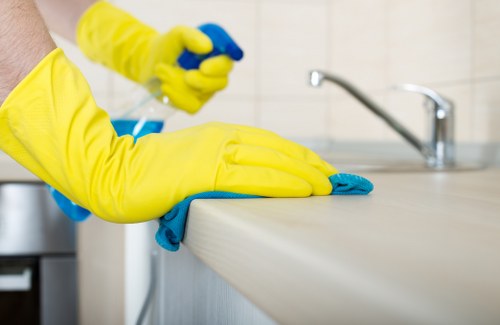
Oven cleaning is one of those household tasks that often gets pushed to the bottom of the to-do list, yet it has a major impact on both hygiene and cooking performance. A clean oven does more than look good. It helps food cook more evenly, reduces smoke and unpleasant smells, and makes the whole kitchen feel fresher. Whether you cook daily or only on weekends, regular oven cleaning can make a noticeable difference to how your appliance works.
When grease, burnt-on food, and carbon buildup accumulate inside the oven, they can affect heat distribution and even produce lingering odors that transfer to your meals. That’s why oven cleaning is not just about appearance. It supports a healthier cooking environment and can also help protect the lifespan of your appliance. For many households, keeping up with oven cleaning is also a simple way to avoid bigger problems later, such as stubborn residue that becomes harder to remove over time.
Another reason oven cleaning is important is efficiency. A dirty oven may need to work harder to reach the desired temperature, which can waste energy and affect cooking results. From baking and roasting to broiling and reheating, a well-maintained oven performs more reliably. If you want a kitchen that feels cleaner and operates smoothly, oven cleaning should be part of your regular maintenance routine.
Common Signs Your Oven Needs Attention
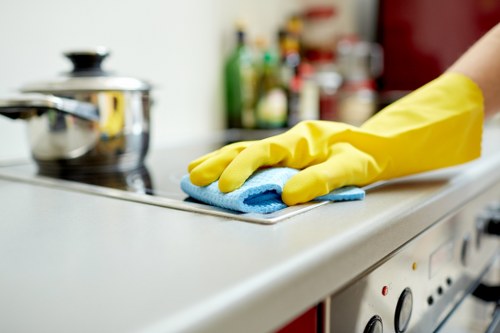
Sometimes the need for oven cleaning is obvious, but in many cases the signs are subtle at first. You might notice smoke when preheating, a burnt smell even when cooking simple dishes, or dark splatters on the interior walls. These are all indications that grease and residue are building up and that your oven could benefit from a thorough cleaning.
Uneven cooking is another clue. If one side of your tray seems to brown faster than the other, or if your food takes longer than expected to cook, grime around the heating elements or on the oven surfaces may be interfering with performance. In that case, deep oven cleaning can help restore more consistent heat flow.
It’s also worth checking the oven door glass, racks, and seals. When these areas become coated with grease and food particles, the appliance can look older and work less effectively. A regular schedule for oven cleaning helps prevent buildup from becoming ingrained, which makes each session easier and less time-consuming.
Benefits of Routine Oven Cleaning
There are many practical benefits to keeping up with oven cleaning, and they go beyond simple appearance. First, clean ovens support better flavor. Old grease and burnt residue can create smoke and odors that affect freshly prepared food. Second, a clean interior helps the oven operate at its best, which is especially important for households that bake regularly or prepare large meals.
Routine oven cleaning can also contribute to safety. Excess grease can smoke at high temperatures, and in severe cases, heavy buildup may become a fire risk. While this is not common in properly maintained appliances, it is one more reason to keep the oven in good condition. Maintaining a clean cooking space is always a smart habit, especially in busy kitchens.
There is also a visual benefit. A spotless oven improves the overall look of the kitchen and can make the space feel more organized and inviting. For homeowners who care about presentation, or anyone preparing to host family and friends, oven cleaning is a small task that delivers a big difference.
Key benefits include:
- Better cooking performance
- Reduced smoke and odors
- Improved kitchen hygiene
- Lower risk of residue-related issues
- A cleaner, more attractive appliance
How Often Should Oven Cleaning Be Done?
The right frequency for oven cleaning depends on how often the appliance is used. A household that cooks meals daily will likely need more frequent attention than one that uses the oven occasionally. As a general rule, light oven cleaning can be done every few weeks, while a more thorough deep clean may be appropriate every one to three months.
If you frequently roast meats, bake casseroles, or prepare dishes that bubble over, you may need to clean your oven more often. Grease splatter and food spills can harden quickly when exposed to repeated heat. In that case, staying ahead with regular oven maintenance makes the job much easier and prevents stubborn staining.
It’s also a good idea to wipe small spills as soon as the oven cools. This simple habit reduces the chance of buildup and can significantly cut down the time needed for future oven cleaning sessions. A little attention after each use often saves a lot of effort later.
Helpful cleaning frequency ideas
- Wipe up fresh spills after the oven cools.
- Perform light oven cleaning every few weeks.
- Deep clean the oven every 1–3 months, depending on use.
- Check racks, glass, and seals during each clean.
Safe and Effective Oven Cleaning Methods
There are several ways to approach oven cleaning, and the best method depends on the level of buildup and your personal preference. Some people prefer natural solutions, while others use commercial products designed for tough grease. Regardless of the method, safety should always come first. Make sure the oven is switched off and completely cool before starting.
For light cleaning, warm water, a mild detergent, and a soft cloth may be enough. For more stubborn residue, baking soda paste is a popular option. It can be spread inside the oven and left to sit for several hours before wiping away. This method is often favored because it is simple, accessible, and less harsh than strong chemicals. Many homeowners appreciate this gentle approach to oven cleaning.
Commercial oven cleaners can be effective for heavy buildup, but they should be used carefully and according to the product instructions. Good ventilation is important, and protective gloves are recommended. If you choose a stronger solution, always avoid contact with heating elements and never mix cleaning products. Safety and patience are essential for successful oven cleaning.
Popular cleaning options
- Baking soda and water paste for moderate buildup
- Vinegar and warm water for wiping and deodorizing
- Commercial oven cleaners for tough grease
- Steam-assisted cleaning for loosening residue
Step-by-Step Oven Cleaning for Better Results
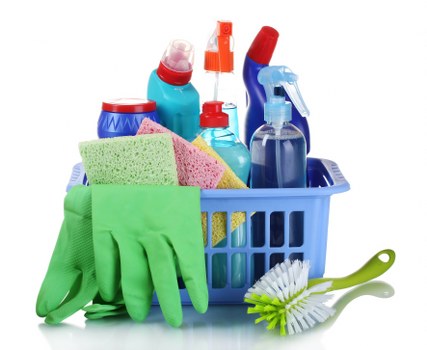
Before starting any oven cleaning task, remove the racks, trays, and any loose debris. This makes it easier to reach all surfaces and prevents dirt from spreading. If the racks are especially dirty, soak them in warm soapy water while you work on the main cavity of the oven. Taking the appliance apart in this simple way makes the process more manageable.
Next, apply your chosen cleaning solution to the interior. If using baking soda paste, cover the dirty areas and allow it to sit long enough to loosen grease and carbon deposits. For commercial products, follow the manufacturer’s recommended wait time. Once the product has done its job, wipe everything with a damp cloth or sponge. Repeat as needed until the surfaces are clean.
Finish by cleaning the oven door, knobs, and control panel. These areas are often overlooked, but they collect fingerprints, smudges, and splashes over time. When the oven is dry, replace the racks and trays. A final inspection ensures no residue remains. This careful process leads to more effective oven cleaning and a better-looking appliance overall.
Suggested step order
- Turn off and cool the oven completely.
- Remove racks, trays, and loose debris.
- Apply a suitable cleaning method.
- Allow time for the cleaner to loosen grime.
- Wipe and rinse thoroughly.
- Clean the door, controls, and outer surfaces.
- Return all parts once dry.
How to Clean Oven Racks, Glass, and Door Seals
Oven cleaning works best when every part of the appliance gets attention, not just the interior walls. Oven racks can usually be soaked in hot water with dish soap to loosen baked-on grease. For heavier grime, a paste made from baking soda and water may help. After soaking, use a soft brush or non-scratch sponge to remove residue. Rinse and dry them fully before putting them back.
The oven door glass is another area that benefits from regular care. Grease and vapor can create a cloudy film that blocks visibility. A gentle cleaner or vinegar-water mix can help restore clarity without damaging the surface. If buildup is stubborn, repeat the treatment instead of scrubbing too hard. Careful cleaning preserves the glass and keeps the appliance looking polished.
Door seals should also be handled with care. These flexible strips help keep heat inside the oven, so they should never be soaked or treated with abrasive tools. Instead, use a lightly damp cloth to wipe away crumbs and light grease. Keeping the seals clean supports proper oven performance and is a valuable part of complete oven cleaning.
Extra areas worth checking
- Inside corners and seams
- Knobs and control buttons
- Vent openings
- Drawer spaces beneath the oven, if applicable
Natural vs. Commercial Oven Cleaning Products

Many people debate whether natural or commercial products are better for oven cleaning. The answer depends on the type of buildup and the results you want. Natural solutions are often preferred for lighter cleaning, regular maintenance, and households that want to avoid stronger odors. Baking soda, vinegar, and warm water can be effective when used consistently.
Commercial products, on the other hand, are often better for thick grease and long-standing residue. They are designed to break down baked-on mess more quickly, which can save time in difficult situations. However, these products may contain stronger ingredients, so it is important to read labels, follow directions, and ventilate the area properly. For many homeowners, the best strategy is to combine methods depending on the level of mess.
There is no one-size-fits-all answer for oven cleaning. If the oven is lightly soiled, a natural method may be ideal. If it has been neglected for a while, a stronger cleaner may be more effective. The key is to choose a safe method that fits the condition of the appliance and your cleaning preferences. Consistency is often more important than the product itself.
Choosing the right option
- Use natural cleaners for regular upkeep
- Use stronger products for deep grease and burnt residue
- Always ventilate the kitchen well
- Wear gloves when handling chemical cleaners
Oven Cleaning Tips for Busy Households
In busy homes, oven cleaning can feel like a chore that takes too much time. The good news is that a few smart habits can make the job much easier. One useful tip is to clean spills as soon as possible after cooking, once the oven has cooled enough to be safe. Fresh spills are much easier to remove than hardened ones, and this small action reduces long-term buildup.
Another tip is to schedule oven cleaning alongside other kitchen tasks. For example, you might clean the oven while doing a refrigerator tidy-up or pantry organization session. Pairing chores can make the process feel less overwhelming. It also helps create a more consistent routine, which is the real key to keeping the appliance in good condition.
If time is limited, focus on high-impact areas first: the oven floor, door glass, and racks. Even a partial clean can improve the appearance and performance of the appliance. Later, when you have more time, you can do a deeper session. This flexible approach keeps oven cleaning manageable in a busy lifestyle.
Time-saving habits
- Wipe spills while they are still fresh
- Use an oven liner where appropriate and safe
- Clean racks separately while soaking
- Set a monthly reminder for maintenance
When Professional Oven Cleaning Makes Sense
Some ovens need more than a standard home clean. If grease has built up over months or years, if smoke continues after cleaning, or if the appliance is difficult to reach, professional oven cleaning may be the better choice. Professionals often have specialized tools and cleaning solutions that can tackle heavy residue more effectively than household products.
Professional support can also be useful for people who have limited time, mobility challenges, or simply prefer not to handle stronger cleaners. In these situations, outsourcing the task can be a practical investment. A properly serviced oven may heat more evenly, smell fresher, and be easier to maintain after the deep clean. That makes professional oven cleaning services a worthwhile option for many homes.
Even if you usually clean your own appliance, using a professional service occasionally can help reset the oven and make future upkeep easier. It’s a good solution when regular maintenance has not been enough or when you want the appliance restored to a higher standard.
Professional cleaning may be ideal if:
- The oven has heavy, baked-on buildup
- Smoke or odors persist after cleaning
- You do not have time for a deep clean
- The appliance has not been maintained for a long period
Maintaining a Cleaner Oven for Longer
Once your oven is clean, the goal is to keep it that way for as long as possible. One of the simplest ways to do this is by covering dishes that are likely to splatter. Using baking trays beneath casseroles or pies can also catch overflow before it reaches the oven floor. These small habits help reduce the need for heavy oven cleaning later.
It also helps to check food as it cooks and remove any spills promptly once it is safe to do so. Waiting too long allows grease to harden and become much more difficult to remove. In addition, occasional wipe-downs of the oven door and handles keep the whole appliance looking neat. A consistent routine is always more effective than infrequent deep cleans.
For households that want a kitchen that feels polished and well cared for, oven cleaning should be part of an overall maintenance plan. It pairs naturally with stovetop wiping, countertop sanitizing, and regular appliance care. Together, these habits create a cleaner space and a more pleasant cooking environment.
Long-term maintenance checklist
- Clean spills soon after cooking
- Wipe the door and handle regularly
- Inspect racks and seals each month
- Schedule deep cleaning as needed
Final Thoughts on Oven Cleaning
Oven cleaning may not be the most exciting household task, but it is one of the most valuable. It supports better cooking results, a more pleasant kitchen, and a safer appliance overall. Whether you use a natural solution, a commercial product, or professional help, the important thing is to stay consistent and avoid letting residue build up for too long.
A clean oven is easier to use, easier to maintain, and much more enjoyable to cook with. From removing grease and grime to restoring shine and performance, every effort you put into oven cleaning pays off in daily convenience. If your appliance needs attention now, do not wait until the buildup becomes harder to manage.
Book your service now if you want a fresher oven without the hassle, or start your own cleaning routine today to keep things under control. A cleaner kitchen begins with small, practical steps, and oven cleaning is one of the best places to start.